Kamis, 21 April 2011

Dealing With Stress From Work

Stress. What stress? Sometimes we can get so stressed out that we don’t even notice it ourselves. It becomes part of the daily grind; and who has time for it anyway…you’ve got things to do, right? This may be true but if you do not mange your stress properly it will begin to manage you. Major sources of stress are related to work activities. Issues with competency, uncertainty, and communication can cause us to stress out daily at work and spill over into the home. Control is a factor that is greatly attributed to job stress. People with a great deal of responsibilities without a lot of control over decisions are the most at risk for stress related illnesses like heart failure. Communication problems thicken the pot and cause even more tension. Feeling a little unappreciated lately. If you do not feel supported by coworkers or management it may make resolving issues more difficult, causing even more stress. You may be new and uncertain of your responsibilities or there are too many recurring deadlines. Alright, more and more stress on the job.

Reducing some of this stress will benefit you and your employer. Meeting regularly with your manager or supervisor to discuss problem at least once a year to discuss performance and other issues that affect you on the job may help. Good time management skills and leaving your job at the office and don’t give up any of your free time to catch up on work if you don’t have to. Ahhh…a little relief. Know when to quit. If you are truly unhappy with your job think about changing careers and spend time researching other possibilities. Do the researches before you quit and find a less stressful job. Ahhhhhhhh…even more relief. Engage in much more physical activity to reduce stress and get fit so you are at least more equipped to handle stressors. Ahhhhhhhhh… it is relaxing even more. And last but not least take a vacation if needed and recharge by doing something that you really enjoy. Vacation! Ultimate relaxation achieved.


All might not play out exactly like the description just mentioned. The point here is to find ways to relax yourself. Ultimately there is no one to take better care of you than you. If you find that you are experiencing more tension than you can handle take immediate action to resolve whatever it is that is causing you so much stress and work on eliminating or decreasing them. So instead of letting the root of the problem continue unabated while you frantically try to get rid of the stress it creates, you should get to the root and eliminate whatever it is that is making you stressed. Even if it means changing your lifestyle dramatically, or quitting your job and living cheaply for a few months, it is worth it in the end since stress can be such a harmful thing. You can try talking to your employer to see if it would be possible to have a more relaxed work day. Tell him or her about your health issues that are resulting from stress.

Unless you are one of those individuals who thrive in a high pressure environment and positive results are evident in your health and performance there may be a big need for change. Stress can be the single cause of depression, high blood pressure, heart palpitations, and reek havoc on your family or behavior. Don’t allow the advances in technology to separate you from your family and friends. Disconnect from cell phones and the internet and separate your time from the employers’ time. Begin to enjoy the time you spend alone or with family and friends, enjoy that long book, take that weekend get away that you’ve been putting off for months. If you don’t do any of these things, find a way to relax somehow, so that the effects of job related stress don’t lead you straight to burnout and drain you out of your precious life.

Dealing With Alzheimer’s Disease

Alzheimer’s disease is a degenerative disease, meaning it gets worse and not particularly better over time. It affects the area of the brain that is involved in language, judgment, and behavior. This is the most common form of brain malfunctions or mental decline in older adults. Causing severe or mild memory loss, the adult may experience mood swings, personality changes, and the ability to think clearly, or even carry out normal daily routines without difficulty. The person’s brain is not so mixed up that the person does not realize that there is a problem, but in most cases it is the family member who first notices changes. Still unclear why these changes occur, doctors have developed treatments to assist with the symptoms of the disease.

Symptoms include memory loss, confusion of time and day, frequently getting lost in familiar places, or trouble with learning and processing new information. The person may have a hard time expressing himself and may act out of frustration. Development of seemingly strange or odd behaviors may occur, like withdrawing from family or paranoid episodes. If you have begun to notice similar odd behavior in an older relative or friend, you should consider Alzheimer’s as a very real possibility, though you should not panic or blow out of proportion. If it turns out that your worst expectations were true, then you will definitely be able to get the support and help that you need.


Forgetting how to perform basic tasks like washing clothes or bathing oneself will become increasingly common. It has been noted that some people with the disease in very late stages will forget how to walk and talk. As serious as this disease is, there is still no cure but quality of life can be maintained with the help of others. Keeping the person active by working on tasks that are easily completed and providing a safe environment under careful eye is the best way to ensure that they can still enjoy the simple pleasures of life. Treatments only include improving memory, dealing with behaviors that may develop and depressive medications. Older people with this disease are aware of what may be happening to them and can become saddened at their inability to perform basic tasks. Alzheimer’s is becoming an increasing problem with a rising rate of occurrence, because people are living longer and physically healthier lives.

Because caring for a person with this disease is both financially and emotionally draining, it is important that the caregiver seek as much assistance as is available. In the early stages of the disease decisions about making your home safe for the person, tailoring tasks for the person, an assisting the person will be of great importance. Monitoring behavior and constant checking of appliances used may be necessary. The person should begin planning for the future by handling all financial and final affairs while they still are able to think clearly and still make some decisions. Once driving privileges are revoked the person may need additional attention with dealing with immobility or simply grocery store runs and the like. Later stages will mainly be with behavior problems and tasking problems for the individual. This is draining on the care giver as it will require more time and emotional input. Thus, the caregiver must remember to care for themselves and seek as much support as possible. The main thing is to not give up hope and make the person quality of life good while maintaining your own health. Hang in there and try not to shoulder all of the responsibility by yourself. Enlist the help of family, friends, and those who may know the individual. All involved will need to lean on one another.

For more information and support related to Alzheimer’s disease, you should ask your doctor for information on any local support groups for people who have relatives afflicted with the disease. It is a great way to get rid of some of the stress that will surely accumulate.

Childhood Obesity And How To Combat It

This chronic condition has increased rapidly over the past years has finally gained national recognition. Many more children between the ages of two years old and five years old are already on there way to becoming the next generation of obese teens, and eventually obese adults and obese seniors. With obesity being one of the leading causes of morbidity, disability, discrimination, and employment problems, it has become one of the biggest public problems since tobacco use and exposure. Bad eating habits are not the only culprit, genetic diseases that can predispose children to become overweight cannot be forgotten. Diseases such as Bardet-Biedl syndrome and Prader-Willi syndrome are common in obese children, however still playing a larger role in the general overall population is bad eating and exercise habits.

It is the hope of many health educators, and medical professionals from psychologists to medical doctors that increased public awareness and preventive policies will eventually improve the situation. Professionals are treating this as a major public health concern that is threatening to damage our most precious resources, the children. Introduction of healthy play, healthy food choices, and recreation that promotes physical activity is on the top of the list for discussion and plans of battling this epidemic. Having caretakers take pro active measures to keep the child on the right track and setting good examples are key elements to helping these children to learn a healthier behavior and attitude towards their own health.


The annual National Health and Nutrition Examination Survey conducted by the Centers for Disease Control and Prevention has come to the conclusion that as many as one third of U.S. children are overweight or at high risk for childhood obesity. The health problems that will begin to manifest themselves from the heavy weight of such young children will start kids down a road the problems such as high blood pressure, high cholesterol, and increased risks of diabetes. These are diseases usually reserved to adults, not children. Combating this troubling condition must however, begin at home with the caregivers for these children. Improving overall diet, not dieting, and exercise is the key to resolving the problem. Protecting children’s health now and in the future will depend greatly on education of parents and caregivers to implement healthy daily living strategies.

Preventing an at-risk child from becoming overweight can start a process of healthy and active lifestyles to ensure longevity and energy throughout the child’s life. Little things such as: not getting into power struggles with the child over food, never use food as a behavior modification tool, and setting a good example are some starting places. This only perpetuates the same behavior and may cause psychological behaviors that are unwanted. Critical commenting, and taunting rarely if ever handles the situation with a positive outcome. Emphasizing what’s positive and benefits of changing behavior can make all of the difference in the world. Just fostering the child’s natural inclination to please you, have fun, and explore are perfect opportunities to introduce fitness routines, and reduce such incidents like eating out of boredom. If these things are done with every child in danger of becoming obese, then the numbers suffering will likely decrease.

Therefore, you should always keep in mind the health of yourself and your children. By keeping in shape yourself and displaying a good diet, you can impress upon them the importance of being a health-oriented individual. These habits will stay with them for all of their lives. You will also have quite a few benefits from eating healthy and slimming down. If you shed your extra weight, you will feel much better about yourself. If you want to find out more information about how you should change your diet habits, you should go to your local library for a book about diet and health. You can also talk to your doctor if you want some recommendations that are specific for your current health.

Changing Your Habits To Help Back Pain

The back is probably the most used part of the body. No matter what you are doing, your back is probably doing a good amount of the work. Therefore it is no small wonder that back pain is so prevalent across the world. If you suffer from back pain, you are probably desperate for ways to relieve it. If you don’t suffer from back pain, you should do everything in your power to prevent it. Just follow some of these tips and change your daily habits to take some of the stress off of your back. You will be glad that you did when you have a perfectly healthy back thanks to your changes.

Hardly a day goes by when you don’t need to lift something. For these situations, there are a few really easy rules to remember. Always remember to bend your knees, and from a squatting position lift the item. Make sure that your back is arched to provide maximum power, and the item you are lifting is held as close to your body as possible. Lifting heavy items frequently causes injuries and back pain, and surprisingly proper technique is still mostly ignored. So if you use the same stance that is utilized by athletes in many different sports, you can provide great protection for your back.

As far as footwear goes, it is best to wear flat shoes. If you are a woman and you need to wear heels for whatever reason, then try to find heels that are fairly short (less than an inch). High heels cause your body to be unnaturally balanced, and this causes unnecessary strain in the back. Never sit in the same position for extended periods of time, even if required by your job. Get up as often as you can to walk around and stretch your muscles. If you are required to travel a lot in cars or planes, use this same method of getting up and walking around. It will make things much easier on your back and your body in general.

You should always look at your posture when you are sitting, standing, or laying down, Adjusting your position slightly could lead to a great advantage. It is good to always be on a firm surface when you are sitting or laying down. A firm mattress will provide you with good back support. Sleeping on your stomach is not a good idea since it stretches your back for the entire duration of your sleep. The best way to sleep is on your side. When sitting down, it is ideal to have an ergonomic chair to sit in so that your back is supported, straight and flat.


If some of these things have been unfamiliar to you, then you should take steps immediately to fix that. Back pain is extremely unpleasant, and if you want to continue to be healthy throughout your life then you will need to take steps today to keep your back supported and healthy. Talk to your doctor or visit a chiropractor to get personalized advice based on your body type and the current status of your back. Find out what you need apart from the things that I have gone over here. You will be glad that you did.

Cervical Cancer

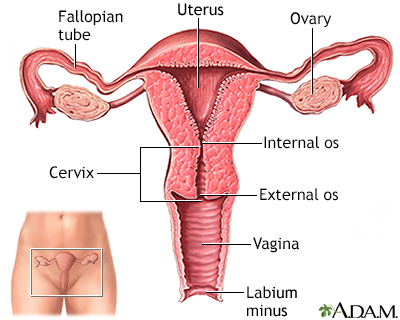
The lower narrow portion of the woman’s uterus is called the cervix. This opening to the passageway is called the cervical canal. During a menstrual period the blood flows from the uterus through the canal and into the vagina. Producing mucus that helps sperm move from the vagina to the uterus, the cervix remains tightly closed. Knowing the exact function and location of the cervix will aid a lot as we discuss cervical cancer.


Cervical cancer is the formation of abnormal cells on the lining of the cervix. Normally as cells grow they divide, the old cells die, and new cells replace them. When the normal process by which cells divide goes wrong, masses of tissue known as tumors begin to grow. Benign tumors are not life threatening and normally can easily be removed permanently. They usually stay in one location and do not normally spread to other parts of the body. However, some tumors are malignant; these are the ones that are a lot more serious as they have the possibility of spreading and growing at alarming rates if not caught early. They are life threatening and can be removed but sometimes grow again. When these malignant tumors occur, they are known as cancer.

Risk factors that can contribute to the possibility of developing cervical cancer are infections. The main infection that causes cervical cancer is the human papillomavirus,
These are common viruses that are extremely contagious. It is estimated that most adults have at one time in their lives been infected with HPV because of coming into sexual contact with another person with the virus. It can cause changes to the cervix that will eventually turn into cancer, warts, or other uncomfortable and unpleasant problems. A weakened immune system will have the same affect n the cervix or women who have had many partners have a higher level of risk than those who have not. Sometimes normal aging is a factor, usually occurring in women over age 40.

Cancer that spreads from its place of origin to another part of the body the new tumor is identical to the original cell and therefore the cancer is the same no matter what part of the body it has spread to. For example: if a woman has cervical cancer that has spread to her breast we would not call this breast cancer but we would say that the cervical cancer cells are located in her breast. It would be treated as cervical cancer and not breast cancer. If a woman has symptoms arising from cervical cancer then she waited much too long. Regular screenings for cervical cancer is imperative as the cells can be prevented from forming into cervical cancer way before symptoms begin. Today the number of cases in the U.S. has been falling thanks to screening and early detection. Doctors recommend that regular PaP smear test are performed to find cervical cancer or abnormal cells that lead to cancer of the cervix. Early detection is the way to preventing this kind of cancer, it is treatable with a high rate of success, so get tested regularly to prevent this from becoming a big problem. It is hard to prevent diseases without living in fear, but as long as you are observant of signs, you will be able to reduce the risk of mortality.

ADHD

ADHD is an illness that starts in childhood. A child with ADHD has trouble sitting still, doesn’t finish things that they begin and usually acts without first thinking things through. This is a real illness that can change the way your child acts, feels, or thinks at times. There are many different treatments for ADHD, drugs being just one of them. In fact, drugs should always be a last resort that is almost never used (when in fact quite the opposite is true today).

You will notice that a child with ADHD may fidget, or wiggle a lot more than usual when asked to sit still or even without thinking. Some seem to be daydreaming, all of which are signs that the child may be ADHD. When these behaviors interfere with the child’s ability to concentrate in school or make public outings dangerous for the child or make making friends difficult then there is cause for alarm and the child should be tested for ADHD. Parents may have a difficult time figuring out what to do with the child or may not even have the slightest idea of what to do.

Parents may think that some of these behaviors are normal for any child and may be in denial about their child’s condition. The good news is that it is an illness that can be treated effectively and can make the child feel much better about them. How the child feels about themselves is very important because increasing the child’s self esteem will essential to treatment. The child may feel like a failure, when they definitely are not. A common childhood illness, ADHD can be controlled and the child may even grow out of it eventually, as he or she begins to mentally mature and the symptoms simply disappear.

The causes of the illness are not yet definitely known but it is known that it usually runs in families. Some doctors believe that there is not one single factor but combinations of factors that may contribute to the illness. So, if you are worried about your child’s behavior, you should take your child for a simple evaluation. Your child will not be immediately diagnosed with ADHD but will be checked for all possible answers to the problem. The possibility does exist that the child may have other problems that cause them to behave the way that they have. Other conditions can be mistaken for ADHD easily. It may even just be a bad diet or a lack of sleep that is causing poor brain functioning.


If it is found that the child does not have any other problems then it may be diagnosed that the child does in fact have an attention deficit disorder that needs treatment. Behavior therapy may be recommended. This involves meeting with doctors to work with your child on skills to help improve the problem. Working on building relationships, rules, limits, land choices. Medication may be prescribed as an accompanying aid to behavior treatments. The very best results are possible when these things are worked on together. So, it is extremely important that you take action, not be in denial, and to realize that it is not your fault that your child has this problem. Treatments are necessary and help from a qualified physician should be sought as soon as possible.